Navigating the world of food assistance programs like SNAP (Supplemental Nutrition Assistance Program), often called EBT (Electronic Benefit Transfer), can be tricky! Many people wonder exactly what they can buy with their benefits. One common question is, “Does EBT cover protein powder?” This essay will break down the rules and regulations surrounding this topic, giving you a clear understanding of whether you can use your EBT card to purchase protein powder.
What SNAP Considers “Food”
The most important thing to understand is that SNAP benefits are designed to buy *food*. The definition of “food” is pretty specific, and it’s not always as straightforward as it seems. SNAP aims to help people get the nutrition they need to stay healthy, but there are some things that don’t quite fit into that category. To figure out if protein powder is covered, we need to see how SNAP defines food and what things it allows.
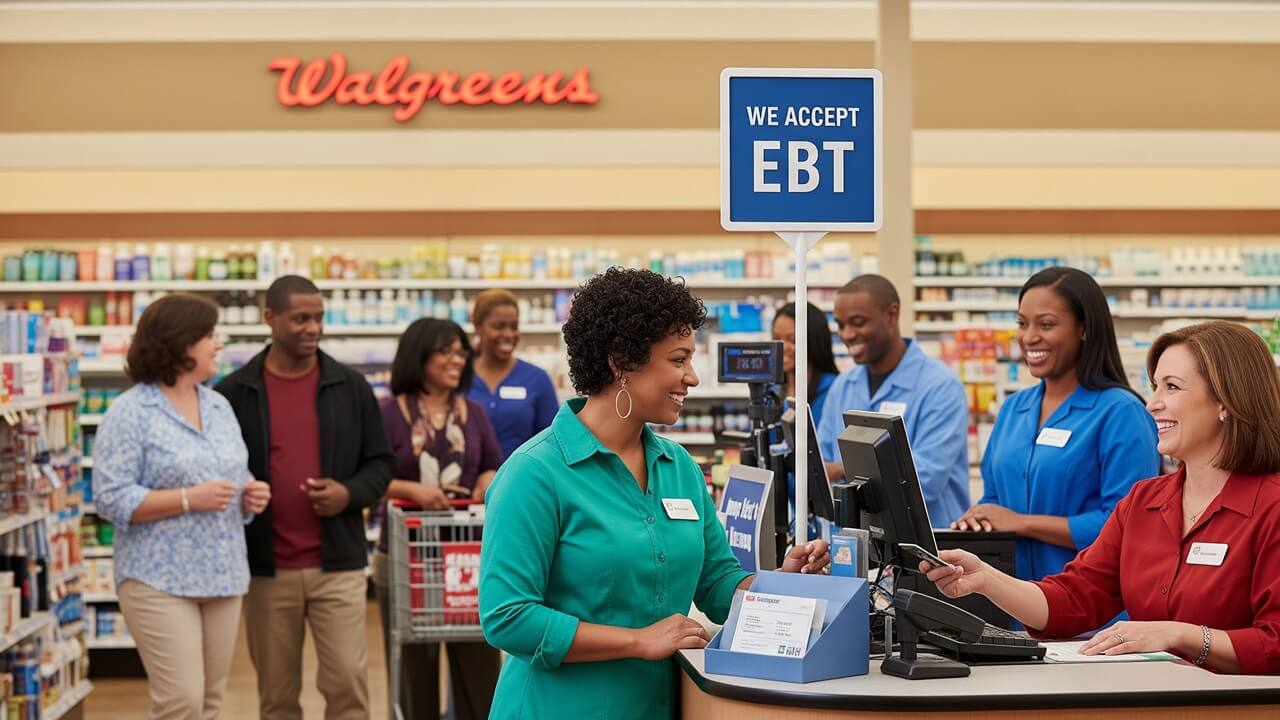
SNAP defines “food” as any item that is for human consumption, and can be eaten or drank. If it is an ingredient to a food, it can be purchased with an EBT card. This can mean many things, like fresh fruits and veggies, meats and poultry, and more! This is also why you can buy seeds and plants to grow your own food.
However, certain items are *not* considered food and are therefore not eligible for purchase with SNAP. These items usually include alcohol, tobacco products, and non-food items like pet food and cleaning supplies.
So, where does protein powder fall on that spectrum?
Here is a quick example of food vs. non food items:
- Food Examples:
- Milk
- Eggs
- Bread
- Non-Food Examples:
- Alcohol
- Cigarettes
- Vitamins
Protein Powder’s Status: It Depends
The straightforward answer is: it can be complicated, but usually, no, EBT does not cover protein powder. This is because the USDA (United States Department of Agriculture), which runs SNAP, has specific rules about what’s considered an eligible food item. These rules often classify protein powder as a supplement, not a staple food. Supplements are often categorized as non-food items.
The lines can get blurry, though. Consider this: SNAP is designed to help people get a balanced diet, but it does not consider supplements as a part of a balanced diet. Protein powder, in many forms, is a supplement. So, although it might be used to enhance a diet, protein powder is not covered.
Types of Protein Powder and EBT Eligibility
Protein Powders Used as a Food Substitute
In some rare cases, a protein powder might be considered a food substitute and could be eligible. This is more likely if the protein powder is specifically designed to replace meals, like a meal replacement shake, rather than simply a supplement. SNAP aims to cover the building blocks of nutrition, but will not cover supplements.
The packaging and labeling are super important here. If the product is marketed as a meal replacement, it might be considered an eligible food item. Look closely at the label! Does it say “meal replacement” or something similar? Does it contain a good mix of nutrients, similar to a complete meal? Protein powder is usually sold as a supplement, not a food item.
However, you have to be careful! Many products look similar, but have different purposes. Not all protein powders can be bought with EBT. Here’s an example table for you:
| Protein Powder Type | EBT Eligibility (Generally) |
|---|---|
| Whey Protein Concentrate | Not Eligible |
| Meal Replacement Shake | Potentially Eligible |
| Casein Protein | Not Eligible |
Powders Marketed for Medical Needs
Sometimes, certain protein powders might be eligible if they are prescribed by a doctor for a specific medical condition. These are usually special formulas used to help people with specific nutritional needs. Some people may need a protein powder to meet their nutritional requirements, especially for medical purposes. This is what EBT is for, and in these rare situations, it might be covered.
You’ll probably need to have a prescription or a doctor’s note to purchase it with your EBT card. This helps confirm that it’s being used for a legitimate medical reason. These are very rare cases where protein powder is deemed a necessity. You would need to ask your doctor. Keep in mind, that this is not the norm.
Here are some examples of medical conditions that may require protein powders:
- Malnutrition
- Cystic Fibrosis
- Specific Allergies
Powders Marketed for Fitness and Bodybuilding
The vast majority of protein powders you find in the sports nutrition aisle are designed for fitness and bodybuilding. These are almost always considered supplements, not food, under SNAP guidelines. These powders, usually in a tub, are designed to aid in muscle recovery, and are used post-workout.
Think about it: SNAP is meant to help people get basic nutrition, not to support a specific workout routine. Although it is used for nutrition, its main purpose is not nutritional. These products often contain ingredients that are intended for enhancing athletic performance, which puts them firmly in the supplement category.
Here’s a simple comparison:
- EBT Eligible: Basic foods needed for nutrition.
- Not EBT Eligible: Supplements designed to enhance athletic performance.
If you’re looking to buy protein powder to support your workouts, you’ll likely need to use a different payment method.
Powders and Store Policies
Even if a protein powder *could* be eligible, the final decision sometimes rests with the store. Store employees are in charge of making the final decision about whether to allow a certain purchase with an EBT card. They might not always be familiar with all the SNAP guidelines, and they might err on the side of caution. They could turn you away from purchasing protein powder.
Make sure you know the rules, but keep in mind, sometimes even stores make mistakes. If you aren’t sure, it is always better to call ahead and ask to speak with the store manager.
Here are some things to keep in mind when shopping at a store:
- Ask the store manager about the rules, before buying
- Know the difference between a supplement and a food
- If you’re not sure, it’s okay to ask a manager
Online Purchases and EBT
Buying things online with EBT is possible, but can be limited, especially when it comes to items like protein powder. You have to shop at retailers that are approved by SNAP and accept EBT payments online. Many major grocery stores participate, but it still depends on the specific items.
It’s essential to check the store’s website and confirm if they accept EBT for protein powder. The website will usually have a list of items eligible for purchase. These websites are often more strict about what you can buy. You might also need to use a credit or debit card to pay for delivery charges.
The process is usually pretty straightforward, it’s very similar to buying anything online. Here’s a general idea of how it works:
- Go to the grocery store’s website.
- Add eligible items to your cart.
- Select EBT as your payment method.
- Enter your EBT card information.
- Pay for shipping (if any) with a different payment method.
Additional Resources for SNAP Users
There are many resources to help you understand SNAP rules and how to use your benefits! The USDA website, which runs SNAP, is a great place to start. You can find detailed information about eligible food items, program guidelines, and frequently asked questions.
Your local SNAP office is another excellent resource. They can answer your questions and provide specific details related to your area. You can also call the USDA hotline, to help you. They may provide information for your specific needs.
| Resource | What They Offer |
|---|---|
| USDA Website | Detailed SNAP guidelines and FAQs |
| Local SNAP Office | Answers to questions specific to your area |
| USDA Hotline | General information and assistance |
These resources will help you make the most of your benefits.
Remember, the rules can sometimes be confusing! If you’re ever unsure whether something is eligible, it’s always best to check with the SNAP program or the store before you try to make a purchase.
Knowing the rules is key!
Conclusion
So, does EBT cover protein powder? The answer is usually no, because protein powder is often seen as a supplement, not a basic food. However, there can be some exceptions, especially when it comes to meal replacement shakes or protein powders prescribed for medical needs. It’s important to understand the specific rules and to check with the store if you’re unsure. By understanding the guidelines and utilizing available resources, you can confidently navigate the world of SNAP and make informed decisions about your purchases!